Gutter Repair Hackettstown for Reliable Performance in Every Storm

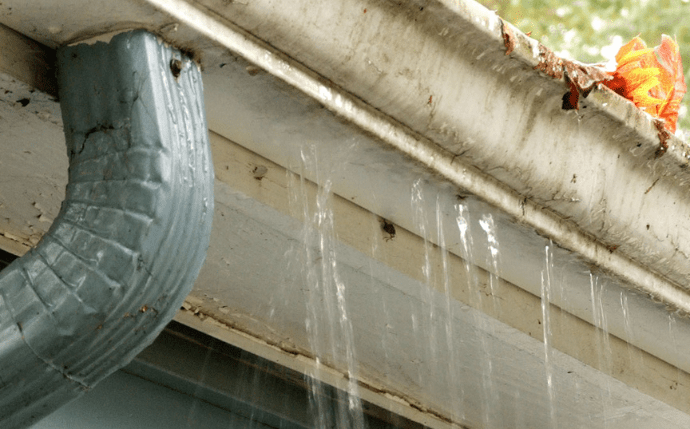

Storm performance is not just about how much rain falls. It is about where that water goes in the next five minutes.
In Hackettstown, that distinction matters. A quick summer downpour, a long cold rain in late fall, or a heavy spring storm after weeks of debris buildup can expose every weakness in a gutter system. Homeowners often notice the obvious symptoms first, water spilling over an edge, mulch washing out, a damp basement corner, peeling fascia paint. What they do not always see is the chain reaction behind it. One loose hanger can change the pitch of an entire run. One clogged downspout can push water behind the gutter. One separated seam can drench a wall cavity for months.
That is why Gutter Repair Hackettstown is not a cosmetic service. It is a structural maintenance issue with direct consequences for roofing, siding, trim, landscaping, and foundations. When gutters fail during a storm, water rarely stays in one place. It travels, it soaks, and it finds the weakest path.
What reliable performance really looks like
A reliable gutter system does not need to look dramatic to do its job well. In fact, the best-performing systems are uneventful. Rain hits the roof, flows into the gutters, moves steadily toward the downspouts, and exits several feet away from the home. No overflow. No standing water. No drips from seams. No ice buildup at the eaves in winter from recurring drainage issues.
That sounds simple, but in the field it rarely comes down to one single defect. Most repair calls involve a combination of small failures that have built up over time. A section may have pulled away from the fascia by half an inch. The downspout may be partially blocked with shingle grit. The outlet may be undersized for the roof area feeding it. The splash block may send water back toward the foundation instead of away from it.
The older the home, the more judgment matters. Many homes around Warren County have seen several roof replacements, fascia repairs, and gutter patch jobs over the years. Not every prior repair was done badly, but mixed materials, altered rooflines, and age-related wood movement often leave the system out of balance. A proper repair approach starts with understanding how the whole drainage path behaves during an actual storm, not just how it looks on a dry afternoon.
Why Hackettstown homes put gutters to the test
Local weather patterns put steady pressure on gutter systems. Leaves drop heavily in the fall. Winter freeze and thaw cycles stress seams and fasteners. Spring rains can be prolonged, and summer storms can dump a surprising volume of water in a short window. Add mature trees, older trim details, and variable grading from property to property, and no two houses behave exactly the same way.
I have seen homes where the front gutters seemed fine for months, while the rear elevation, hidden from street view, had been overflowing into a planting bed so often that water had started to settle against the foundation. I have also seen newer installations fail early because the installer chased speed instead of pitch. Gutters that are technically attached are not necessarily functional. A quarter inch of standing water along a run may not seem serious, but left there through seasonal cycles, it adds weight, invites corrosion, and weakens hangers.
The goal in Gutter Repair Hackettstown work is not simply to stop a leak today. It is to restore the system so it can keep working through the next hard rain, the next snowmelt, and the next season of debris.
The repair problems that show up most often
Some gutter issues are straightforward. Others are deceptive. A homeowner may call because of a visible drip at a corner joint, but the real cause is often upstream. Water can only move as well as the whole system allows.
These are the problems that come up again and again in practical repair work:
- Loose or failing hangers that let gutters sag and lose pitch.
- Clogged downspouts or outlets that cause backups and overflow.
- Separated seams, end caps, and corner joints that leak under volume.
- Fascia deterioration that prevents secure attachment.
- Poor discharge at grade, which sends water back toward the house.
Each of those issues has a different repair logic. Loose hangers may only need replacement if the fascia is sound. If the wood behind them is soft, fastening new hardware into the same area buys very little. Clogged downspouts can sometimes be flushed clean, but if the downspout configuration includes multiple elbows packed with debris, partial cleaning often leaves the real restriction in place. Leaking seams may respond to resealing if the metal is in good condition, but older seams that have shifted or twisted under weight usually need reworking rather than another layer of sealant.
Overflow is not always a capacity problem
Many people assume overflow means the gutters are too small. Sometimes that is true, especially on steep roofs with concentrated water flow into a short run. But more often, overflow comes from maintenance issues or incorrect slope.
A standard residential gutter can handle a lot of water when it is clean, properly pitched, and supported at the right intervals. When a system spills over in moderate rain, I usually look first at restriction and alignment. A roof valley dumping into one point can overwhelm a section that would otherwise be adequate, particularly if a downspout is nearby but not drawing because the outlet is partially blocked. Water then shoots past the intended drainage path and rolls over the front lip.
Another common problem is apron mismatch. If the drip edge does not extend properly into the gutter, water can run behind it. Homeowners often mistake that for gutter overflow because they see dripping at the fascia line. In reality, the water is bypassing the gutter altogether. That is a repair detail worth catching early, because water behind the gutter does not just make a mess, it saturates the wood that holds the system in place.
When repairs make sense, and when replacement is the better call
A good contractor should be able to tell the difference between a repairable system and one that is nearing the end of its practical life. Not every aging gutter needs full replacement. At the same time, not every leaking joint deserves another patch.
Repairs usually make sense when the metal is still structurally sound, the fastening surface is solid, and the issues are localized. A few failing hangers, one separated corner, a loose downspout connection, or a bad pitch in a specific section can often be corrected without disturbing the entire system. This is especially true on homes where matching the existing profile matters visually.
Replacement becomes more sensible when corrosion is widespread, seams have failed in multiple areas, fascia boards are rotted in long stretches, or the existing layout never worked well to begin with. Sometimes the hidden labor involved in chasing repeated leaks exceeds the value of preserving old material. That judgment call depends on age, condition, and how often the system has already been repaired.
For homeowners, this distinction matters financially. A targeted repair may solve the problem for a fraction of the cost of replacement. But a cheap repair repeated every year is not a savings. Reliable performance is the benchmark, not the invoice total by itself.
Fascia condition often decides the outcome
One of the most overlooked parts of gutter repair is the wood behind the gutter. If fascia has taken on water for years, it may look acceptable from the ground but fail under load. Fasteners loosen, the gutter pulls away, and overflow gets worse. In some cases, the repair conversation changes the moment the gutter is removed or lifted enough to inspect what is behind it.
This is where experience shows. A rushed repair that simply drives longer screws into compromised wood may hold briefly, then fail during the next winter when ice and standing water add weight. A more durable repair may involve replacing sections of fascia, then reinstalling the gutter with fresh hardware at proper spacing. It takes more labor up front, but it restores the structure the gutter depends on.
There is also a moisture history to consider. If fascia rot is present near a roof edge, it is wise to check whether flashing, drip edge, or shingle overhang contributed to the problem. Gutters do not operate in isolation. The roof edge assembly and the gutter have to work together.
Small pitch errors create big storm problems
Pitch is one of those details most people never notice until it is wrong. Gutters need enough slope to move water efficiently toward downspouts, but not so much that the line looks visibly crooked across the eave. In practice, the tolerance is tighter than many homeowners realize.
A section with almost no pitch may drain eventually on a sunny day after a light rain. That same section during a heavy storm behaves very differently. Water stacks up, debris settles, and the weight stresses fasteners. Over time the low spot gets lower. The homeowner https://mylesyzgl208.wordcanopy.com/posts/gutter-repair-hackettstown-for-better-curb-appeal-and-protection hears more dripping, sees more staining, and assumes the material is old, when the real issue is alignment.
Correcting pitch is one of the highest-value repairs a contractor can make. It directly affects flow, reduces standing water, and often improves the entire run without requiring replacement. On long runs, especially those serving large roof planes, even subtle corrections can make a dramatic difference during hard rain.
Seams, sealants, and the truth about temporary fixes
Sealant has its place. It can be effective when used on clean, properly prepared surfaces that are still structurally stable. But sealant is not a cure for movement. If a joint is opening because the gutter is sagging, twisting, or pulling away from the house, no bead of caulk is going to solve the underlying problem for long.
This is one of the most common disappointments homeowners face. A leak was sealed last year, it held for a while, and now it is back, often worse. That does not always mean the previous repair was careless. It may mean the system was already shifting beyond what a surface repair could handle.
At corners and end caps, the metal is under more stress than along straight runs. Expansion and contraction, weight from wet debris, and minor impacts from ladders all tend to show up there first. If those areas are leaking, a proper repair may involve disassembly, reshaping, re-fastening, and resealing. It takes more time, but it also addresses why the joint failed.
Downspouts deserve more attention than they get
Homeowners tend to focus on the horizontal gutters because that is what they can see easily. Downspouts, though, do the heavy lifting of getting water away from the structure. A perfectly installed gutter run can still fail in a storm if the downspouts are undersized, blocked, or discharging poorly.
A clogged downspout does not always present as a total blockage. Often it is partially restricted by wet leaves, granules, or compacted debris at an elbow. Water still drains, just not fast enough for peak rainfall. During a storm, the gutter fills faster than the downspout can relieve it, and overflow begins near the outlet. That pattern fools many people into thinking the outlet area is not the problem because it is where they see the water first.
Discharge matters just as much. If downspouts empty too close to the foundation, the gutter system may technically work while the property still suffers. Water should move away from the structure, ideally with extensions, splash blocks, or drainage improvements suited to the lot. On tight sites, the grade may require more thought than a basic extension can provide.
Signs a homeowner should not ignore
A lot of expensive repairs could be avoided if people responded sooner to early warning signs. Gutters often telegraph trouble before major damage appears indoors.
Watch for these clues around the home:
- Water marks or mildew on soffits, fascia, or siding.
- Gutters that visibly bow, separate, or pull away from the roofline.
- Eroded mulch beds or trenches forming beneath roof edges.
- Basement dampness that worsens after rain.
- Icicles or recurring ice buildup along one section in winter.
None of those signs automatically means the whole system is failing. They do mean the drainage path deserves prompt inspection. The longer water is mismanaged, the more surfaces it reaches.
Storm prep is easier than emergency repair
The best time to address gutter issues is before the weather exposes them. That sounds obvious, but many homeowners wait until they see water pouring over the edge during a storm. By then, diagnosis is harder, conditions are unsafe, and damage may already be underway.
Late summer and late fall are usually smart windows for evaluation in this area. Before leaf drop, you can correct alignment issues, reinforce loose sections, and make sure discharge is working before storm season intensifies. After leaves have come down, a final cleaning and inspection can reveal whether hidden low spots or seam failures have developed. Winter adds another layer of urgency because standing water in gutters becomes a freeze issue, not just a drainage issue.
A roof replacement is also the right time to revisit gutter condition. Not every new roof requires new gutters, but it is sensible to inspect edge details, fascia, and attachment points while access is already in place. Overlooking gutters during roofing work often leads to missed opportunities and extra labor later.
What a thorough repair visit should cover
A meaningful repair assessment goes beyond the obvious leak. The contractor should evaluate how water enters, moves through, and exits the system. That means checking roof valleys, drip edge alignment, hanger spacing, seam condition, downspout flow, and grade-level discharge. It also means looking for staining patterns and wood damage that reveal where water has been traveling over time.
One thing experienced crews learn quickly is that homeowner observations are valuable, but storm behavior is often more complex than it appears from one vantage point. A client may say, "It only leaks at the corner," yet the actual cause is a clog twenty feet away. Another may report basement moisture on one side of the house, but the grading problem originates from a downspout on the adjacent elevation. The repair works best when the inspection follows the water, not just the complaint.
For Gutter Repair Hackettstown properties with mature trees, it is also worth discussing debris type. Oak leaves, pine needles, seed pods, and shingle grit all behave differently in a gutter system. Some mats of debris allow a little water through until a heavy rain compacts them into a dense blockage. Others settle into outlets and elbows where they are less visible from above. The maintenance plan should reflect what actually falls on that roof.
Maintenance that protects the repair
Even a well-executed repair needs support from basic upkeep. Gutters are exposed systems. They collect debris, absorb weather stress, and depend on seasonal checks to keep performing.
A practical maintenance routine usually includes:
- Cleaning at intervals that match tree cover, often once or twice a year.
- Inspecting hangers and seams after major storms.
- Flushing downspouts to confirm full flow.
- Checking that extensions still discharge away from the foundation.
- Watching for new stains, drips, or erosion after heavy rain.
That routine does not need to be complicated. What matters is consistency. A home surrounded by trees may need more frequent attention than a house on an open lot. A steep roof over a short gutter run may push debris differently than a broad, low-slope roof. Good maintenance is not generic, it is tailored to the property.
The value of local judgment
There is a difference between general gutter knowledge and repair judgment shaped by local conditions. Hackettstown homes range from older properties with established trees and aging trim to newer builds with faster-installed drainage systems that sometimes need early correction. The same symptom can have different causes depending on the house, the roofline, and the site drainage.
That local context is why homeowners benefit from repair recommendations grounded in observation rather than script. A contractor familiar with storm patterns, leaf load, winter freeze behavior, and common construction details in the area will usually diagnose faster and recommend better solutions. Sometimes that means a modest adjustment and reinforcement. Sometimes it means acknowledging that a patched system has reached the point where replacement will save money and damage over time.
Reliable gutters are easy to ignore when they work. That is exactly the point. When the next storm moves through Hackettstown, the goal is not to notice your gutters at all. The water should move where it belongs, away from the roof edge, away from the walls, and away from the foundation, quietly and completely. That is what solid repair work delivers.
Just Gutters LLC
Address: 262 Main St, Hackettstown, NJ 07840
Phone number: +12013319454
FAQ About Gutter Repair Hackettstown
What is the average cost to repair gutters?
The average cost to repair gutters is about $390, with most jobs ranging from $120 to $900 depending on the damage. You can explore detailed data and estimates on Angi.
Can I repair a gutter myself?
Yes, you can easily repair most common gutter problems yourself if you are comfortable working on a ladder.
How much does it cost to repair a leaking gutter?
The average cost to repair a leaking gutter ranges from $75 to $350. Most homeowners spend around $150 to $250 to hire a professional to patch small holes or reseal leaking joints. If the damage is severe and requires replacing entire sections, the price can increase from $300 to $800.