Simple Ways to Extend the Life of Your Gutter Installation
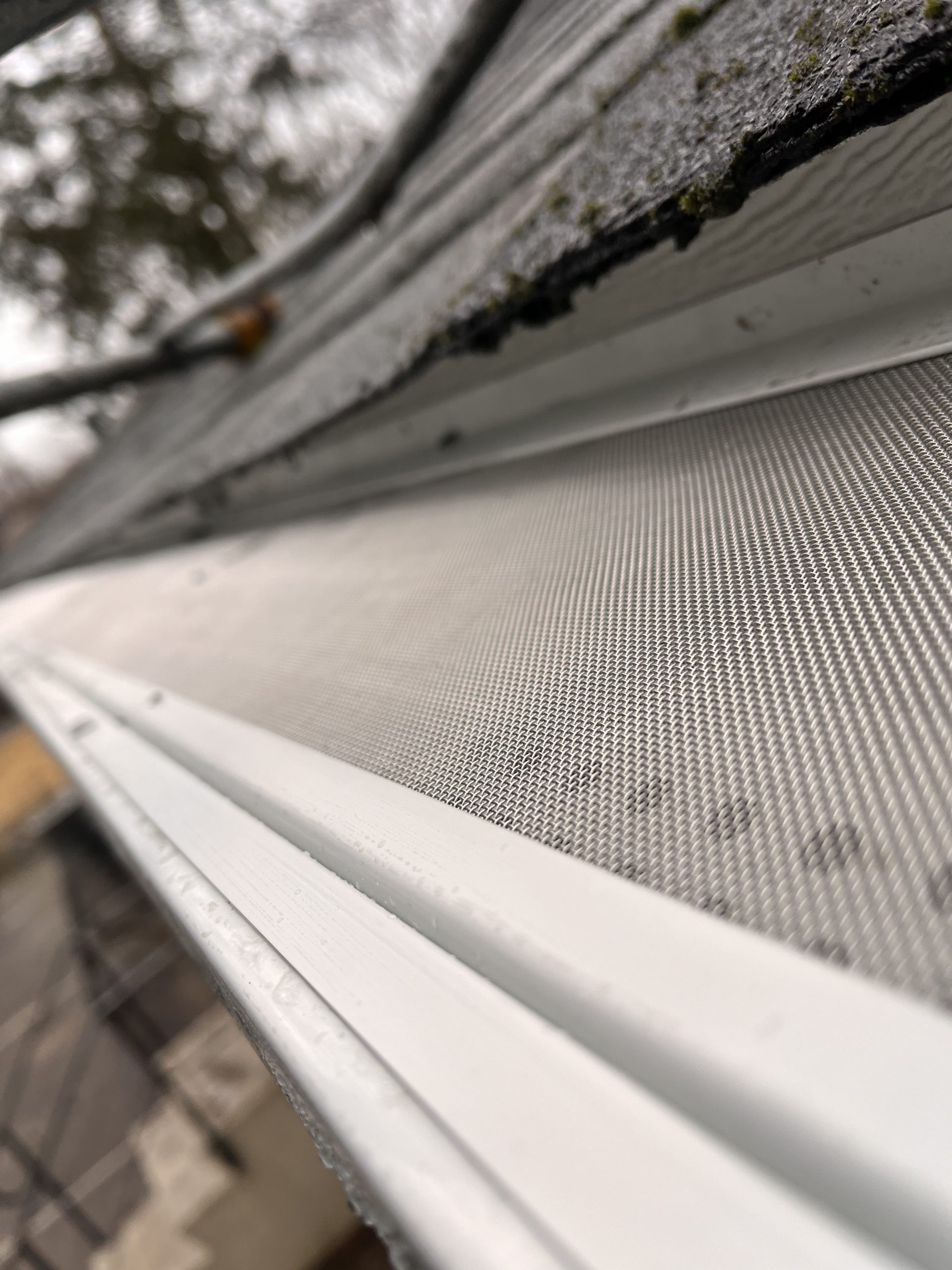


A well-executed gutter installation can last for years, sometimes decades, but only if the system gets the kind of attention most homeowners never think about until there is a stain on the siding or a puddle near the foundation. Gutters are easy to ignore because they do their job quietly. Water goes in, moves away from the roofline, and disappears. When they fail, the damage rarely stays confined to the gutter itself. Fascia boards rot, landscaping washes out, basements get damp, and paint starts to peel in places that seem unrelated at first glance.
The good news is that extending the life of a gutter system usually does not require expensive upgrades or specialized tools. It comes down to regular observation, a few timely repairs, and an understanding of what wears gutters out in the first place. In practice, the homeowners who get the most life from their gutters are not necessarily the ones who spend the most. They are the ones who notice small changes before those changes become structural problems.
What actually shortens a gutter’s lifespan
Most gutter failures are not dramatic. They happen slowly, season after season. A little standing water in one section leads to rust or seam fatigue. A clogged downspout pushes overflow back under the edge of the roof. Heavy debris adds weight, fasteners loosen, the pitch shifts, and then every storm stresses the system a little more.
Material matters, of course. Aluminum, copper, galvanized steel, and vinyl all age differently. But even a premium gutter installation can wear out early if water is allowed to sit, freeze, or back up. In colder climates, ice becomes a major factor. In heavily wooded neighborhoods, leaf load is often the main problem. Near the coast, salt exposure can accelerate corrosion. The point is simple: gutters do not fail just because they get old. They fail because conditions around them stay unfavorable for too long.
I have seen relatively new systems sag because no one realized the downspouts were packed with maple seeds. I have also seen 20-year-old aluminum gutters still performing well because the homeowner cleaned them twice a year and fixed loose hangers as soon as they appeared. Longevity is rarely an accident.
Keep them clean, but do it on a schedule that matches your property
Cleaning is the most obvious maintenance step, yet it is also the one people postpone the longest. The mistake is treating every house the same. A home with no overhanging trees may need only a light inspection in spring and fall. A house under mature oaks or pines may need attention three or four times a year, especially after heavy leaf drop or storms.
Debris does more than block water. Wet leaves hold moisture against metal, shingle granules settle into corners and trap sludge, and twigs create little dams that turn a flowing system into a series of stagnant pockets. Once water stops moving efficiently, every joint, bracket, and outlet has to work harder.
A basic maintenance rhythm usually works best:
- Inspect and clean in late spring, after seed pods and blossoms have dropped.
- Check again in early fall, before peak leaf accumulation becomes compacted and wet.
- Inspect after major storms, especially if wind has brought down branches or roof debris.
- Flush downspouts with a hose each time you clean, rather than assuming they are open.
- Remove any material sitting at the outlet, where clogs often begin.
That routine is simple, but it solves a surprising number of problems before they spread. It also gives you a reason to look closely at the system while you are already up there or while a contractor is on site.
Watch the water during a real storm
One of the best ways to evaluate a gutter installation is to step outside during moderate rain and watch what happens. Not a downpour that overwhelms every drainage system, but a steady storm that should be well within the gutter’s capacity. You can learn more in five minutes of observation than from an hour of guessing on a dry day.
Look for water shooting over the front edge, dripping from seams, spilling behind the gutter, or pooling at the base of a downspout. Overflow at the front may mean a clog, poor pitch, or a gutter that is undersized for the roof section. Water behind the gutter often points to apron flashing issues or gutter placement that is slightly off. A downspout that trickles instead of discharges with force usually has partial blockage somewhere below the elbow.
Homeowners often assume any overflow means the gutters are too small. Sometimes that is true, but in many cases the problem is maintenance, not capacity. I remember one home where the owner was ready to replace the entire front run because water spilled during every storm. The actual issue was compacted granules and leaf paste at one outlet. Once cleared, the system drained normally. Replacing that section would have solved nothing.
Small alignment problems become big structural problems
Gutters need proper pitch to move water toward the downspouts. The slope is subtle enough that you might not notice when it starts to shift, but the water notices immediately. Standing water is one of the clearest signs that the system is no longer aligned as intended.
Over time, fasteners loosen, fascia boards soften, and the gutter can pull away from the house by fractions of an inch. That sounds minor, but a slight gap or change in pitch can leave gallons of water sitting in place after every storm. In freezing weather, that trapped water expands and adds stress. In warm weather, it encourages corrosion, mildew staining, and mosquito breeding.
If you see long sections holding water a day after rainfall, do not wait for the next cleaning season. Have the pitch checked and corrected. Rehanging a section is far cheaper than replacing fascia, soffit, or foundation plantings damaged by chronic overflow. This is one of those maintenance calls that pays for itself quickly.
Protect the downspout discharge area
A gutter system is only as good as the place where it sends the water. People tend to focus on the horizontal runs because that is what they can see from the curb, but if the downspout discharge is poorly managed, the entire setup is undercut.
Water should exit far enough from the foundation to avoid saturation near the home. Whether that means splash blocks, extensions, buried drain lines, or daylight drains depends on the lot and grading. What matters is that discharge water does not simply circle back to the base of the house. When that happens, you may preserve the gutter itself while still ending up with expensive moisture issues.
I have seen neatly maintained gutters empty into short, crushed plastic extensions that dumped water right onto a bed sloping toward the basement wall. The gutters were technically working. The drainage plan was not. Extending the life of your gutter installation includes protecting the areas that receive and carry runoff away.
Gutter guards help some houses more than others
Guards are not a universal fix, and they are not maintenance-free, despite how they are often marketed. On the right house, they can reduce how often debris enters the gutters. On the wrong house, they can create a false sense of security while smaller debris builds up on top or works through the openings.
The best candidates are homes with recurring leaf accumulation from broadleaf trees and owners who struggle to clean safely or consistently. Even then, the style of guard matters. Mesh, reverse-curve, foam, and brush products all behave differently. Pine needles, oak tassels, seed pods, and shingle grit each challenge guard systems in different ways.
If you are considering guards, think of them as a way to reduce maintenance frequency, not eliminate maintenance entirely. They still need inspection, especially after storms and in the first year after installation. A good contractor should be candid about what a guard system can and cannot do on your specific roof and tree canopy. When someone promises zero maintenance, that is usually a sales claim, not field reality.
Trim back what is beating up the system
Overhanging branches shorten gutter life in several ways. They drop leaves and twigs, scrape finishes during wind, and create direct pathways for pests. Squirrels and birds can be surprisingly destructive around roof edges, particularly where debris has already collected. Branches also increase the chance that a storm will dump heavy debris into the gutter all at once.
Pruning does not need to be aggressive, but roof-adjacent limbs should be managed. Even a few feet of clearance can reduce buildup significantly. This is especially true above valleys, where water volume is already concentrated and where debris tends to lodge first.
I once looked at a rear gutter on a house shaded by a large sycamore. The owner cleaned the gutters faithfully every fall and still had chronic overflow. The missing piece was summer bark drop and small branch litter that kept clogging a valley outlet. A modest trim did more for the system than another round of cleaning.
Address rust, pinholes, and sealant failure early
Older metal gutters rarely fail all at once. They usually telegraph the problem. A little rust at a seam. A tiny drip at a corner. Paint bubbling on the outside face. Water marks below a joint. These are repair-stage issues, not replacement-stage issues, if you catch them soon enough.
Sealants degrade over time, especially where sunlight, standing water, and seasonal movement all work on the same joint. Fasteners can back out. Seams can separate slightly. If you spot early deterioration, a targeted repair may add years to the system. If you ignore it, water starts reaching the fascia or siding and the scope expands.
For aluminum gutters, corrosion often shows up less dramatically than on steel, but pinholes and seam leaks still matter. For steel, once rust becomes widespread, replacement may be more sensible than repeated patching. The judgment call depends on how localized the damage is and whether the surrounding material is still sound.
Keep the fascia healthy, because the gutter depends on it
A gutter installation is anchored to something, usually the fascia board along the roof edge. If that wood begins to rot, the best hangers in the world cannot keep the system stable for long. The gutter may stay up visually, but it will not hold alignment under load.
This is why repainting trim, repairing roof-edge leaks, and replacing damaged fascia are gutter maintenance tasks even if they do not feel like gutter work. I have seen homeowners keep tightening hangers every year without realizing the screws were biting into soft, compromised wood. The gutter was not the real failure point.
If you notice peeling paint, dark staining, softness around fasteners, or a musty smell near the roofline, inspect the fascia promptly. Sometimes the cause is a gutter leak. Other times the cause is roof runoff getting behind the gutter because flashing is mispositioned. Either way, restoring the support structure extends the life of the gutter system attached to it.
Snow and ice need a different strategy
Cold-climate houses put gutters through a special kind of stress. Ice is heavy, and repeated freeze-thaw cycles test every seam and bracket. Many winter gutter problems actually begin in the attic. Poor insulation and ventilation allow uneven roof temperatures, snow melts higher up, water refreezes at the edge, and ice dams form. Gutters then carry part of that frozen load, even though they were designed for water, not blocks of ice.
This is why winter longevity is not just about the gutter itself. Roof ventilation, insulation depth, and heat loss patterns all matter. If ice damming is a recurring issue, treating the gutter as the only problem usually leads to frustration. The durable fix often starts inside the house, above the ceiling line.
That said, routine winter habits help. Avoid chiseling ice out of gutters, which can bend metal and damage finishes. Keep roof valleys clear before deep freezes if it can be done safely. Consider professional steam removal for severe ice buildup rather than mechanical hacking. The goal is to reduce force on the system, not win a battle against ice with brute strength.
Be careful with ladders, pressure, and improvised repairs
A lot of gutter damage comes from maintenance done in a hurry. Leaning a ladder directly against the gutter edge can deform it. Blasting seams with a pressure washer can open weak joints. Driving oversized screws into failing holes may hold for a month and then tear out under the next heavy rain.
Safe access matters because gutters sit in a deceptively awkward place. They are high enough to be dangerous, but low enough that people underestimate the risk and overestimate what they can do from a ladder. If the roofline is steep, the ground is uneven, or the home has more than one story, hiring the work out is often the better decision. Preserving the gutter system is not worth a fall.
If you do handle minor maintenance yourself, use methods that support the system rather than stress it. Scoop debris gently, flush with moderate water flow, and use ladder stabilizers where appropriate. Repairs should match the material and hardware originally used, or at least be compatible with it.
Know when replacement is smarter than repair
Trying to extend service life makes sense only when the system is fundamentally worth saving. If the gutters are pulling away along multiple elevations, seams are leaking in several places, and the fascia behind them is deteriorated, constant patching becomes expensive and unreliable. There is a point where a fresh gutter installation delivers more value than another season of piecemeal fixes.
A good rule is to look at the pattern, not a single symptom. One leaking corner can be repaired. One clogged downspout can be cleared. But when you have recurring overflow, repeated hanger failure, visible sagging, and widespread corrosion together, the system is telling you it is near the end of useful life.
These signs usually mean it is time for a professional assessment:
- Water remains in long sections more than a day after rain.
- Multiple seams or corners leak after prior repairs.
- Fasteners pull loose repeatedly, or gutters separate from the fascia.
- Rust, cracking, or pinholes appear across broad areas rather than one spot.
- Soil erosion or basement dampness persists even after cleaning and downspout clearing.
There is no shame in replacing a system that has earned its retirement. In fact, replacing at the right time can prevent much bigger building-envelope repairs.
Professional inspections catch what ground-level checks miss
Even attentive homeowners miss things. Tiny pitch errors, subtle flashing issues, early fascia decay, and hidden downspout obstructions often do not reveal themselves from the lawn. A professional inspection every few years, or sooner if you have recurring issues, can add meaningful life to the system because the fix is usually smaller when caught early.
A competent gutter pro or exterior contractor will look beyond obvious clogs. They will check hanger spacing, outlet sizing, seam condition, discharge performance, and the relationship between the gutter and the roof drip edge. They should also note where roof geometry increases runoff volume, such as valleys or steep upper sections draining onto lower roofs.
In my experience, the most valuable inspections happen after one of three events: a major storm, a roofing replacement, or the purchase of an older home. Storms can shift sections without making the damage obvious. Roof work sometimes affects flashing and drip edge alignment. Older homes often have a mix of original parts and later repairs that do not quite work together.
The quiet habits that make the biggest difference
Extending the life of your gutter installation is mostly about paying attention before water finds a new path. Gutters do not ask for much. They need to stay clear, stay aligned, and stay firmly attached to sound wood. They need water to move through them and away from the house without interruption. When those conditions are maintained, even a modest system can perform for a long time.
What shortens lifespan is neglect disguised as delay. A cleaning skipped this season. A seam drip ignored until next spring. A branch left rubbing the front edge because it has not caused a problem yet. That is how minor maintenance turns into replacement.
The homeowners who get the best return from their gutters tend to treat them less like trim and more like drainage infrastructure. That mindset changes everything. You stop seeing a sagging corner as a cosmetic nuisance and start seeing it as an early warning. You notice where the downspout empties. You care whether water is moving cleanly in a storm. And because you notice, you act sooner.
That is really the whole strategy. Not flashy upgrades, not miracle products, not endless patching. Just consistent, practical care applied at the right time. Over the years, that simple approach can add a lot of life to a gutter system and spare the house around it from the kind of water damage that always https://fernandopgcn805.brightsora.com/posts/why-aging-homes-often-need-updated-gutter-installation costs more than expected.
Just Gutters LLC
Address: 262 Main St, Hackettstown, NJ 07840
Phone number: +12013319454
FAQ About Gutter Installation Hackettstown
Can I install a gutter myself?
Yes, you can install gutters yourself. DIYers typically use aluminum or vinyl sections from home improvement stores. The project requires basic tools, precise measuring, and comfort working on ladders. Key steps include snapping a chalk line for a slight slope (1/4 inch per 10 feet toward downspouts), securing hangers every 2 feet, and caulking all joints securely.
How much does body contouring usually cost?
The Home Depot typically charges between $1,000 and $3,600 for a standard professional gutter installation on a typical single-family home with 200 linear feet of gutters. Calculated on a per-foot basis, the cost usually ranges from $5 to $18 per linear foot, highly dependent on the material you select.
How much does a 40 ft seamless gutter cost?
A 40 ft seamless gutter run will cost between $240 and $1,120+ fully installed, depending on the material you choose. Because seamless gutters require specialized on-site fabrication machines, they are rarely sold as DIY kits and are priced per linear foot.