What to Expect From Professional Gutter Repair in Hackettstown
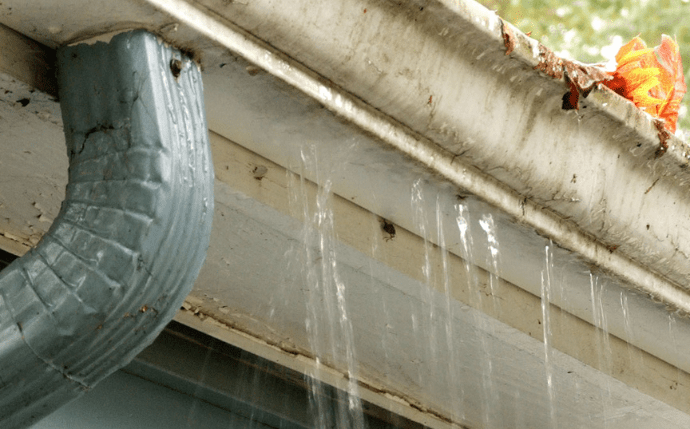
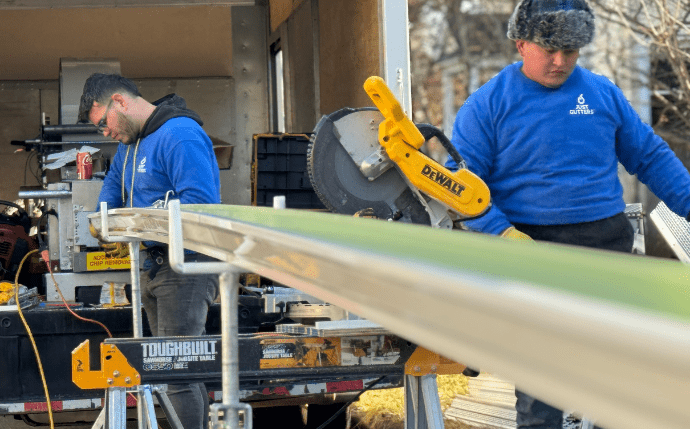

Gutters do quiet work until they do not. A small seam opens, a hanger pulls loose, water overshoots the edge during a hard rain, and suddenly a system you barely notice starts affecting siding, fascia, soil, walkways, and even the foundation. Homeowners in Warren County often discover this the messy way, after a storm or during a freeze and thaw stretch when water finds every weakness.
If you are scheduling Gutter Repair Hackettstown service for the first time, it helps to know what a professional crew actually does, what they look for, and how they decide between a focused repair and a larger replacement. Good gutter work is not just about stopping a drip. It is about restoring the way roof runoff moves around your home, with enough capacity, pitch, and support to hold up through New Jersey weather.
Why gutter problems show up when they do
Hackettstown homes see a mix of conditions that can stress gutter systems over time. Heavy summer downpours expose poor pitch and undersized downspouts. Fall leaf drop leads to clogs, especially on homes with mature trees. Winter brings ice, freeze expansion, and the weight of packed debris mixed with snow. Spring often reveals damage that built up quietly over the colder months.
That matters because gutters fail in patterns. A section may sag after years of slow strain on fasteners. A corner may separate because expansion and contraction worked a joint loose. Aluminum can dent from ladder contact or fallen branches. Older steel systems may rust from the inside out where standing water sat too long. Vinyl can become brittle and crack. None of these issues are unusual, but they each require a different repair approach.
One of the biggest misconceptions is that any overflow means the gutters are too small or beyond saving. In practice, overflow often starts with a simpler issue, debris at the outlet, a downspout elbow packed tight, or a low spot that traps water. A good contractor does not guess. They inspect the full path the water takes, from roof edge to discharge point on the ground.
What a professional inspection usually covers
A proper service visit starts with observation, not tools. An experienced gutter technician usually walks the perimeter, studies roof lines, checks how the gutters sit against the fascia, and looks at staining patterns on siding or trim. Those visual clues tell a lot. Dark stripes below the gutter often point to overflow or drip edge problems. Soft or peeling fascia can suggest prolonged backflow behind the gutter. Washed out mulch beds and trenching below an eave usually mean water is coming down too hard in one spot.
From there, the inspection tends to focus on the parts that most often fail:
- pitch and drainage flow
- seams, miters, and end caps
- hangers, spikes, ferrules, and fascia attachment
- downspouts, elbows, and outlet connections
- nearby wood trim, soffit, and roof edge condition
That list may sound basic, but the skill lies in how those parts interact. A gutter can have intact seams and still fail because the fascia behind it is rotted and no longer holds fasteners. A downspout can be clear, but the outlet opening may be too small for the roof area it serves. A section can look straight from the ground and still hold water because the pitch is off by less than half an inch.
On many visits, the crew will also test sections with water if conditions allow. This is one of the easiest ways to separate a visible symptom from the underlying problem. Overflow at the front edge could be a clog. It could also be apron flashing directing water poorly, or shingles extending too far into the channel and slowing flow. The repair only holds if the diagnosis is right.
The difference between a repairable problem and a replacement problem
This is where professional judgment matters. Not every contractor draws the line in the same place, but most reputable ones look at condition, age, material, and how localized the failure is.
Repairs make sense when the system is mostly sound and the defects are limited. A few separated joints, one sagging run, loose hangers, a dented downspout, or a leaking end cap often fall squarely in repair territory. Re-pitching one side of a house can solve chronic overflow if the metal itself is still in good shape. Replacing a few damaged sections may be enough if the remaining gutters are secure and draining well.
Replacement becomes the smarter option when problems are widespread or structural. If large portions are rusted through, if the fascia is compromised in multiple areas, or if the gutters were poorly sized from the start, chasing one leak after another can waste money. The same goes for systems with repeated seam failures across long runs, especially on older sectional gutters that have reached the point where each repair reveals the next weak spot.
A homeowner once described it well after we looked at a 25 year old system on a two story colonial. He said, “I do not mind paying to fix something. I mind paying to keep meeting the same problem from a different angle.” That is usually the moment the decision becomes clear. A repair should buy useful life, not a few weeks of relief.
What happens during the actual repair visit
Professional gutter repair is usually more methodical than homeowners expect. It is not just a matter of sealing a crack and moving on. The sequence matters because one unresolved issue can undermine the repair next to it.
First, the crew stabilizes access and removes debris where needed. That may include hand cleaning a section, clearing an outlet, or flushing a downspout. There is no point resealing a seam if backed up water pressure will challenge it the next time it rains.
Next comes correction of support and alignment. If the gutter is sagging, technicians often reset or replace hangers, relocate attachment points into sound wood, and establish proper pitch. This is one of the most important parts of the job. Sealant cannot compensate for bad slope. Water always exposes shortcuts.
After that, they address leaks and damaged components. Depending on the material and style of system, this could mean resealing https://ricardoejco620.quillnesty.com/posts/the-ultimate-homeowner-guide-to-gutter-repair-hackettstown joints, replacing end caps, repairing or swapping elbows, reconnecting downspouts, patching small holes, or replacing a short run entirely. On sectional systems, corners and seams are common repair points. On seamless gutters, the issues are more often related to punctures, drops, corners, and fastening rather than leaks along the main run.
Finally, they test flow when possible and clean up the work area. A quality repair should leave the system not only sealed, but draining as intended.
Materials matter more than most people realize
Not all gutters respond to repair the same way. Aluminum remains common because it resists rust, is relatively lightweight, and is cost effective. It also dents more easily than steel and can deform if unsupported. Steel is stronger but vulnerable to corrosion once coatings fail. Copper lasts a long time and can be repaired beautifully in skilled hands, though costs are in another category altogether. Vinyl is easy to install but less forgiving with age and temperature swings.
That affects both pricing and strategy. A small separation in aluminum may be straightforward. The same symptom in old steel can reveal hidden rust that makes patching a temporary fix at best. A brittle vinyl corner may break during handling even if the visible crack looked minor. A professional should explain these trade-offs in plain language, not treat all systems as interchangeable.
It also affects appearance. Good repair work should function first, but it should not look like an afterthought. Matching profile, color, and material is part of the job, especially on visible front elevations. Homeowners care, understandably, if one section looks noticeably different from the rest of the house.
The fascia question nobody likes hearing
Sometimes the gutter is not the main problem. It is only where the problem became visible.
When a contractor removes loose fasteners and finds soft wood behind the gutter, the scope changes. Fascia rot is common around persistent leaks, overflowing corners, or places where water has run behind the gutter due to missing drip edge or ice backup. If there is not solid substrate for the hangers, any repair is compromised from the start.
This does not always mean a major carpentry project, but it does mean the repair has to be honest. Reattaching gutters into rotten fascia is the sort of shortcut that feels cheaper until the next storm. A professional crew should point out the condition, explain how much wood is affected, and either handle the trim repair or coordinate it before resetting the gutter system.
For homeowners, this can be an unwelcome surprise. It is also one reason quotes can differ. One contractor may price the visible gutter issue only. Another may include the structural correction needed to make the repair last. The lower number is not always the better one.
Timing, weather, and how long the work takes
Most standard repairs on a single home can be completed in a few hours to a day, depending on access, height, extent of damage, and whether replacement sections need to be fabricated. Weather matters more than people assume. Sealants, ladder safety, roof conditions, and water testing all depend on workable conditions. Extremely cold days, active rain, high winds, and ice can delay parts of the process.
Hackettstown homeowners often call after they notice active dripping during a storm. That is understandable, but scheduling may happen once the weather clears enough for safe work. In the meantime, a contractor may suggest temporary steps to reduce immediate risk, such as redirecting discharge away from a walkway or moving items out of a splash zone.
If damage followed a branch strike or winter ice event, repair time can stretch if custom components or color matched sections are needed. That is normal. What matters is whether the company communicates clearly about timing and temporary protections.
How pricing is usually determined
There is no reliable flat price for gutter repair because the variables stack quickly. Height alone changes labor. A first story ranch is different from a steep roof two story home with landscaping below. Material type, number of repair points, fascia condition, accessibility, and whether the issue is confined to one area all influence the cost.
What homeowners should expect is an estimate tied to scope. A reputable company usually breaks the work into understandable terms, clean and flush where needed, reset pitch on a given run, replace a measured section, reseal seams, secure downspout, repair fascia if required. That kind of clarity lets you compare bids intelligently.
Be cautious with quotes that skip diagnosis and jump straight to a broad number from the driveway. Gutters are visible from the ground, but the details that determine a durable repair rarely are.
Signs you should call sooner rather than later
Many gutter problems stay inexpensive until they start affecting adjacent materials. Once water gets behind siding, softens trim, stains masonry, or settles near the foundation, the repair is no longer just about the gutter. If you notice any of the following, it is worth getting the system looked at before the next hard rain:
- water spilling over the front edge in one consistent spot
- gutters pulling away from the house or visibly sagging
- stains, peeling paint, or soft wood along the fascia line
- downspouts that drip at joints or stay clogged after cleaning
- erosion, pooling, or ice buildup near the foundation or walkway
That last point gets overlooked. The gutter may seem like a roof edge issue, but the real cost can show up at ground level. Repeated saturation near the base of the home can settle soil, flood window wells, undermine pavers, and create slippery winter conditions where runoff refreezes overnight.
What homeowners can do before the crew arrives
You do not need to prepare much, but a few simple steps help the visit go smoothly. Move patio furniture, planters, or vehicles away from the work area if possible. If there is a gate to a fenced yard, make sure it opens freely. If you have had specific overflow spots, take a few photos during rain if it is safe to do so. Those images can be surprisingly useful, especially when the weather is dry on inspection day.
It also helps to mention any past work on the system. If a section was repaired recently, if gutter guards were added, or if you have had recurring clogs at one corner, that history gives context. Patterns matter. A repeat issue often points to something upstream that was missed before.
Questions worth asking during the estimate
Homeowners do not need to know the trade to ask good questions. The best conversations are usually straightforward. What is causing the failure, not just what is leaking? Is the gutter itself still serviceable? Are the fasteners going into solid wood? Will the pitch be corrected or only the seam sealed? If sections are being replaced, how close will the match be?
You can also ask how the contractor handles hidden damage if they find more once the gutter is opened up or removed. That answer reveals a lot about their process. Experienced professionals know where surprises tend to appear and can explain how they document them, price them, and keep you informed before proceeding.
For Gutter Repair Hackettstown projects, local familiarity counts too. Crews that work regularly in the area tend to recognize the seasonal patterns, common tree related debris loads, and the way older homes may combine original trim with newer gutter materials.
Repairs that hold up, and repairs that do not
A durable gutter repair usually has three qualities. It restores drainage, secures the system mechanically, and addresses the reason the failure happened. If a contractor only applies sealant where water was seen, without correcting support or slope, the fix may be short lived. If they tighten one hanger into weak wood without addressing fascia condition, the problem simply shifts.
By contrast, solid repair work often looks uneventful when finished. Water moves quietly to the downspout. The gutter line looks straight. Fasteners are snug. Joints are clean. There is no dramatic reveal, just a system doing its job again.
That may sound obvious, but it is worth saying because homeowners are often sold visible extras before the basics are solved. Guards, splash blocks, extensions, and screens can all be useful in the right setting. None of them compensates for a gutter that is pitched wrong or attached to failing trim.
How maintenance changes the equation after repair
Once the system is back in shape, maintenance becomes much simpler and cheaper than repeated repairs. Homes under heavy tree cover may need cleaning more than once a year. Others may do fine with an annual service and an occasional storm check. The point is not rigid scheduling. It is keeping water moving before debris turns a healthy system into a stressed one.
If guards are being considered, the discussion should be specific to the property. Some homes benefit from them. Others still collect fine debris or experience maintenance issues at valleys and roof transitions. There is no one size fits all answer, and a contractor who speaks in absolutes is usually oversimplifying.
Good maintenance also includes keeping an eye on the ground below. If splash patterns change, if mulch starts washing out, or if you hear steady dripping long after the rain has stopped, those are clues worth catching early.
What peace of mind really looks like
The best outcome from professional gutter repair is not the patched seam or the replaced downspout elbow. It is confidence during the next storm. You hear the rain pick up, maybe the wind too, and you are not looking out the window wondering if water is pouring over the front porch again or streaming beside the foundation.
That is what experienced gutter work delivers. Not just a visible fix, but a restored drainage path sized, supported, and aligned for the house it serves. In a place like Hackettstown, where seasons test exterior systems in different ways, that kind of repair work protects more than the gutter itself. It protects the surrounding structure from the slow, expensive damage that starts with one loose joint and too much water going in the wrong direction.
When you hire a professional, expect more than a ladder and a tube of sealant. Expect diagnosis, judgment, and repairs that account for the whole system. That is the difference between a temporary patch and a repair that earns its keep through the next season, and the one after that.
Just Gutters LLC
Address: 262 Main St, Hackettstown, NJ 07840
Phone number: +12013319454
FAQ About Gutter Repair Hackettstown
What is the average cost to repair gutters?
The average cost to repair gutters is about $390, with most jobs ranging from $120 to $900 depending on the damage. You can explore detailed data and estimates on Angi.
Can I repair a gutter myself?
Yes, you can easily repair most common gutter problems yourself if you are comfortable working on a ladder.
How much does it cost to repair a leaking gutter?
The average cost to repair a leaking gutter ranges from $75 to $350. Most homeowners spend around $150 to $250 to hire a professional to patch small holes or reseal leaking joints. If the damage is severe and requires replacing entire sections, the price can increase from $300 to $800.